
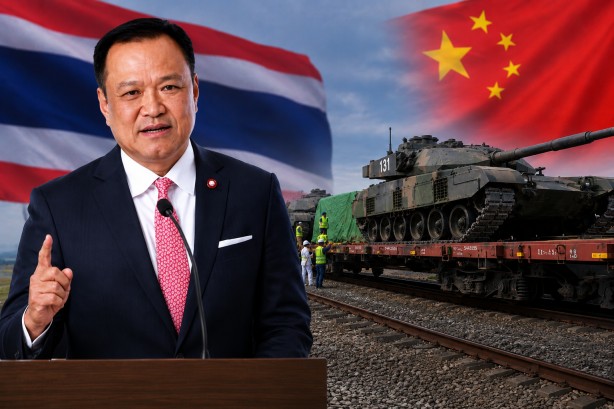
Thailand has conveyed its apprehensions to China regarding the recent delivery of tanks to Cambodia, cautioning that this development could destabilize the delicate ceasefire between the neighboring countries. This comes in the wake of violent border clashes that occurred last year. Thai Prime Minister Anutin Charnvirakul brought up the issue with Chinese President Xi Jinping during a meeting last week, as stated by Thailand’s foreign ministry. Concerns were raised over the timing and manner of the military shipment, which could further complicate the already tense relations between Thailand and Cambodia, despite numerous ceasefire agreements.
According to Thai officials, Cambodia received 39 Chinese-manufactured T-59D battle tanks under an existing military cooperation agreement. They assured that, as of now, there is no evidence that these tanks have been stationed near the contentious border area. Since last year’s deadly confrontations along their shared border, diplomatic ties between the two Southeast Asian nations have remained strained. Historical disputes over land and maritime boundaries, which have origins in colonial-era treaties and maps, continue to pose challenges to peaceful negotiations.
China has emphasized that its defense cooperation with both Thailand and Cambodia is routine and not directed against any third party. Earlier this year, Beijing also delivered a Type 056 guided-missile corvette to Cambodia. Despite the concerns, Thai officials expressed appreciation for China’s neutral position and its efforts to mitigate tensions. They underscored that the resolution of the dispute ultimately hinges on direct negotiations between Thailand and Cambodia.
In their discussions, Thailand and China also agreed to launch a new dialogue mechanism involving their foreign and defense ministers. The initial round of talks in this framework is expected to tackle the issue of cross-border scam operations. This initiative marks a step towards strengthening bilateral ties and addressing shared concerns beyond the immediate border disputes.