
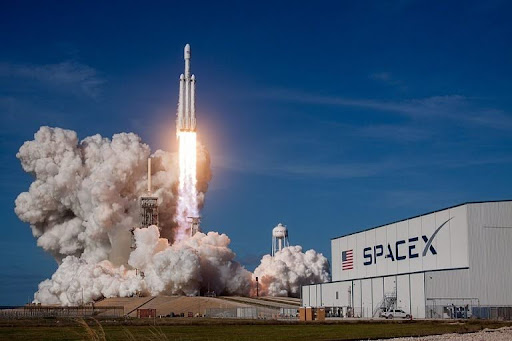
SpaceX has officially entered the public market with a historic initial public offering, positioning itself among the largest IPOs recorded. The aerospace and technology giant launched its shares at $150 each, which soared throughout the day, elevating the company’s value to over $2 trillion by the close of its first trading session.
This remarkable surge in stock price has substantially boosted the wealth of its CEO and primary owner, Elon Musk. His net worth has now surpassed the $1 trillion mark, earning him the distinction of being the world’s first trillionaire. The enthusiasm among investors was palpable, with demand far exceeding expectations, showcasing strong interest in SpaceX’s ventures in space exploration and satellite internet services. The leadership at SpaceX emphasized their commitment to advancing space travel and facilitating human settlement beyond our planet.
Notably, SpaceX’s approach to its IPO was unconventional. Rather than opting for a typical price range, the company offered a fixed initial share price. This strategy, coupled with the heightened investor interest before trading commenced, contributed to the swift escalation in the company’s market valuation. However, despite its impressive market entrance, SpaceX has yet to achieve profitability, having disclosed significant operational losses in recent financial reports, even as its revenues continue to climb.
Analysts attribute these financial challenges to SpaceX’s substantial investments in its aerospace infrastructure and satellite networks. These investments are seen as pivotal to the company’s current financial status. The unprecedented valuation has sparked discussions regarding market concentration and the risks associated with the scale of the company, particularly given Musk’s considerable voting control over SpaceX.