
In a bold shift towards global competitiveness, Việt Nam’s recent Politburo resolutions have outlined ambitious goals to transform the nation’s economic landscape. No longer content with merely fostering a large number of enterprises, Việt Nam is now aiming to develop corporations that can compete regionally and globally. Resolution No. 68-NQ/TW, issued in May of last year, sets forth a vision for the private sector to reach 2 million active enterprises by 2030, with at least 20 large corporations integrated into global value chains. In a complementary move, Resolution No. 79-NQ/TW, released this January, targets the elevation of 50 state-owned enterprises to be among Southeast Asia’s top 500 companies, and aims to have one to three of them recognized among the world’s top 500 by the same year.
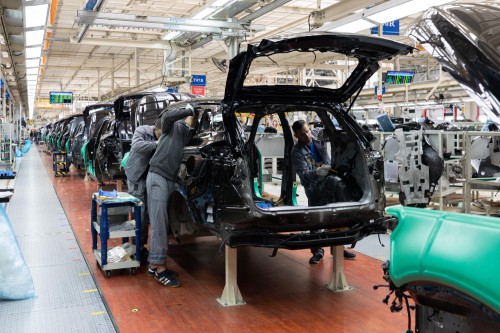
This strategic push sees Việt Nam striving to build state-owned economic groups that boast significant scale, cutting-edge technology, and competitive prowess both regionally and internationally. These entities are expected to lead domestic enterprises in deeper integration into global production and supply chains, particularly in key and strategic sectors. As Đậu Anh Tuấn from the Vietnam Chamber of Commerce and Industry notes, the country has witnessed the rise of major economic players across various sectors over the past 40 years of Đổi mới (1986–2026). Companies like THACO and VinFast have made significant strides, with the former establishing a major automobile production hub and the latter emerging as a notable electric vehicle manufacturer with a global presence.
Meanwhile, Hòa Phát Group has transformed from a small furniture operation into a leading steel manufacturer in Southeast Asia, and FPT has become a major player in information technology across the region. The success stories extend to the consumer goods sector, where Vinamilk and Masan Group have built robust brands with significant market reach. In real estate and infrastructure, Vingroup, Sun Group, and BRG Group have undertaken projects of unprecedented scale, contributing to the economic transformation of various regions. Despite these achievements, there remains a consensus among experts like Nguyễn Đức Hiển and economist Trần Đình Thiên that Việt Nam’s business sector, while broad in scope, lacks the depth and capacity necessary for true global competitiveness.
For Việt Nam to become a modern industrialized nation by 2045, a strategic shift in policy and support is required, according to Thiên. The focus needs to move from broad-based support to targeted assistance for businesses with the potential to lead and create widespread economic impacts. This approach echoes international success stories, such as Japan’s strategic industry focus, South Korea’s development of conglomerates like Samsung and Hyundai, and China’s growth through large industrial clusters. The resolutions on private and state-owned enterprise development provide a framework for Việt Nam to build on these opportunities, yet the ultimate success will depend on the country’s ability to implement these plans consistently and effectively.
As Việt Nam looks to the future, the groundwork has been laid for the emergence of economic groups with significant regional influence. The challenge now lies in maintaining a clear, consistent strategy and enhancing implementation capacity to fully realize the country’s aspirations on the global stage. With the right policies and strategic direction, the next decade could see Việt Nam firmly establishing itself in global industrial value chains, fulfilling its ambition to “rise strongly” in the international arena.