
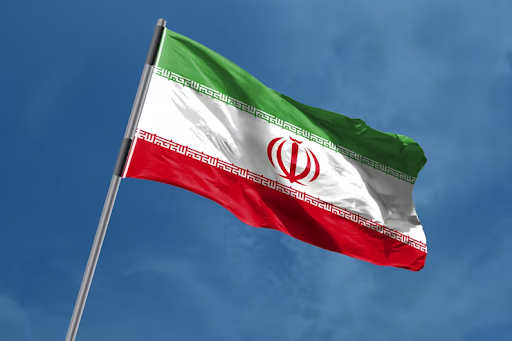
Iran’s parliament speaker Mohammad Bagher Ghalibaf issued one of the starkest warnings yet of potential regional escalation on Wednesday, threatening devastating retaliatory strikes against any country that helped the United States in a potential operation to seize Iranian islands including Kharg. He said Iran would “attack vital infrastructure in that regional country in continuous and relentless attacks.” The warning was aimed at Gulf Arab states, some of which host American military bases and could potentially provide logistical support to a US operation.
The threat emerged amid reports that the Trump administration was actively considering an operation to seize Kharg Island, from which 90% of Iran’s oil exports flow, as leverage to force the reopening of the Strait of Hormuz. Ghalibaf said Iran was aware that “enemies” were planning such an operation and had the backing of a regional partner. He made clear that Iran would hold that partner responsible for any attack.
A separate Iranian military official warned that if the US launched naval manoeuvres in the Persian Gulf or Sea of Oman, or attempted any ground operation, Iran would “open other fronts as a surprise.” This was widely interpreted as a reference to expanding Iranian proxy operations in the Red Sea, potentially threatening another vital global shipping corridor. The combination of these threats illustrated Iran’s strategy of deterrence through the threat of wider conflict.
The US military continued its buildup in the region regardless, deploying units of the 82nd Airborne Division alongside thousands of marines and sailors. Admiral Brad Cooper of US Central Command reported that American forces had already struck over 10,000 targets in Iran, destroying most of its navy and much of its missile and drone production capacity. Despite this degradation, Iran maintained the ability to project significant force throughout the region.
Diplomatically, the picture remained mixed. Iran had rejected the US ceasefire proposal and presented its own demands, while the White House maintained that productive discussions were ongoing. Trump insisted a deal was within reach, though his domestic political position was weakening by the day. With the Kharg Island option on the table and Iran making increasingly stark threats about the consequences of any escalation, the region appeared to be standing at a genuinely dangerous crossroads.